
For many buyers, a retro phone handset is more than a communication accessory. In the retail world, it can also function as a visual lifestyle product, a conversation piece and a giftable item that stands out on the shelf.
This is especially true for retail brands, lifestyle stores and e-commerce buyers looking for products with a clear visual identity. Compared with ordinary tech accessories, retro handsets are easier to notice, easier to photograph and often easier to position as part of a color-driven or design-led product collection.
For buyers exploring the category, the 569 USB Type-C retro phone handset collection is a useful starting point. It offers the familiar retro receiver silhouette in a format that works well for modern retail presentation.
Why Retail Brands and Lifestyle Stores Are a Good Match
Retail and lifestyle channels often need products that are not only functional, but also visually expressive. A retro handset can fit this requirement well because it combines a familiar object shape with modern-device compatibility and a strong color presence.
For physical stores, this kind of product can work as an eye-catching shelf item, a gifting product or part of a design-focused accessories assortment. For online stores, it has another advantage: the shape is instantly recognizable in product photography and social-media content.
Typical buyer segments may include:
- Lifestyle and concept stores
- Gift shops and design-led retailers
- Museum or stationery-adjacent product buyers
- Home-office and desktop-accessory sellers
- E-commerce stores looking for visually distinctive tech accessories
Buyers who are new to the category can also review our wholesale retro phone handsets buying guide to understand the basic sourcing considerations before placing an order.
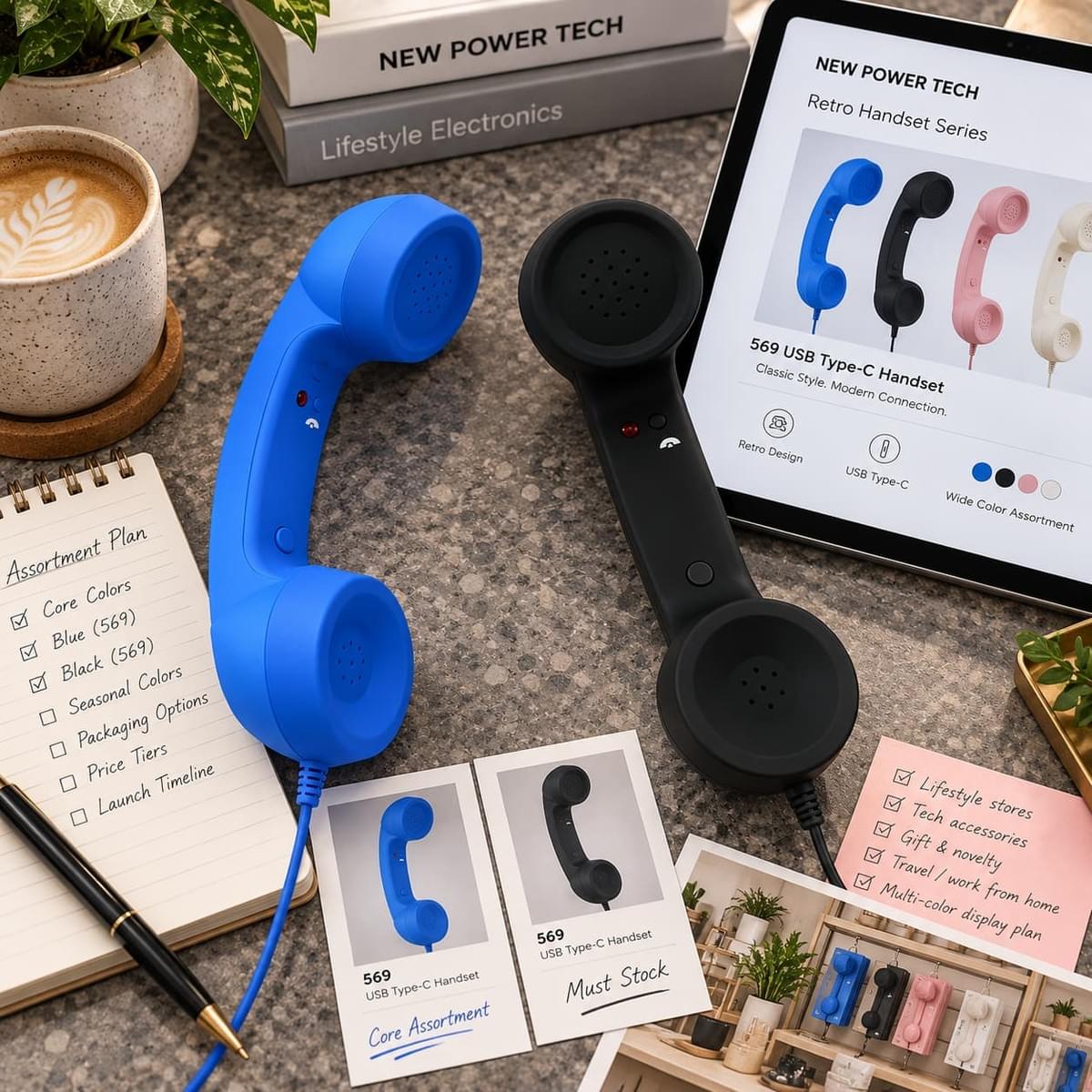
What Retail Buyers Should Evaluate
A retail-friendly product still needs the right commercial structure behind it. For retro handset projects, buyers should look at the product from both a merchandising angle and a wholesale-operational angle.
The first consideration is product fit. Is the handset intended to be sold as a playful lifestyle accessory, a desktop communication tool or a giftable color item? The answer will influence model choice, color selection and even the connectivity version.
The second consideration is interface selection. Some retailers may prefer simple wired models for straightforward presentation, while others may compare wired and wireless options depending on their target customers. If needed, buyers can review wired vs Bluetooth retro phone handsets and also check our explanation of USB Type-C retro phone handset features, uses and applications.
The third consideration is assortment planning. Retailers often do better with a small but deliberate color lineup rather than too many scattered options. For example, a buyer may combine neutrals such as white or black with stronger highlight colors such as blue, purple or yellow in order to create a clear shelf story.
Color matters even more when the product is part of a broader private-label or store-identity project. For this reason, buyers interested in color-driven retail assortments should also read custom colors for retro phone handsets.
Another important point is packaging and presentation. A product may be visually strong, but if the packaging, labeling or merchandising support is weak, the retail result may still be limited. Retail buyers should therefore confirm whether the supplier can support:
- Clear SKU differentiation
- Color-consistent production
- Private-label packaging or labeling options
- Repeat-order consistency
- Display-friendly presentation for online and offline retail
If the buyer wants a more decorative look, patterned projects may also be possible through suitable OEM processes. In that case, see our article on custom pattern retro handsets and printing options for OEM projects.
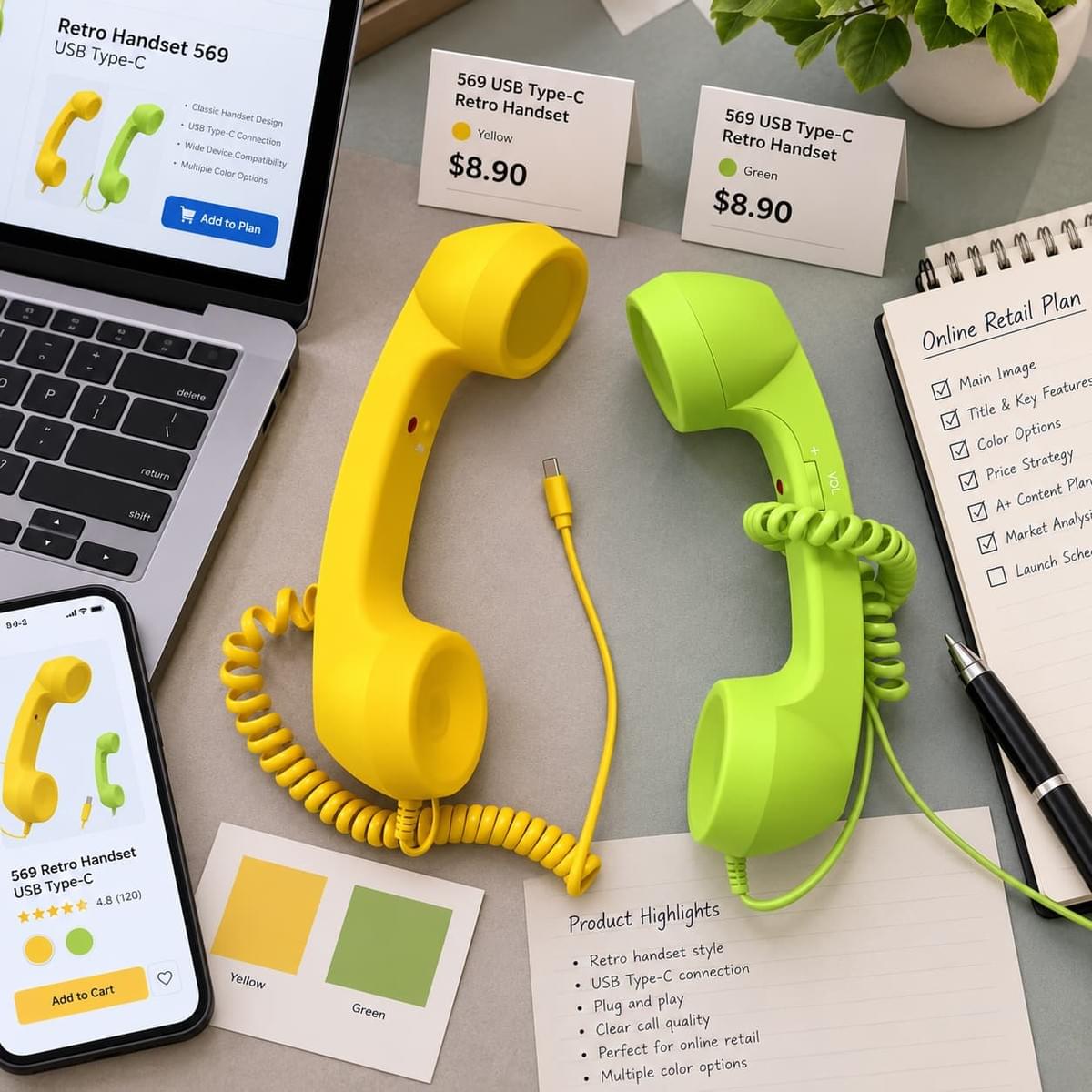
What a Wholesale Supplier Should Support
For retail buyers, the best supplier is not simply the one offering the lowest price. A strong wholesale partner should also help the buyer build a more sellable product line.
In practical terms, that means supporting buyers with clear product information, color options, consistent specifications and responsive communication during product selection. When retail programs become more developed, the supplier should also be able to support broader OEM and ODM retro phone handset services.
For lifestyle stores and e-commerce sellers, a useful sourcing path is often:
define target customer → select model and colors → confirm connectivity version → review merchandising presentation → place wholesale order → prepare repeat-order plan.
This approach helps the buyer evaluate the handset not only as a product, but as part of a retail assortment strategy. It also makes it easier to align display style, pricing level and customer expectations.
Planning for Repeat Orders
Retail buyers should also think beyond the first purchase. A successful assortment may need replenishment by color, model or interface rather than repeating the exact same initial order.
Clear SKU organization and consistent production specifications make repeat ordering easier, particularly when a retailer is managing several colors or selling through both physical and online channels.
Buyers can start with a focused assortment, observe which colors and product styles perform best, and then use that information to plan future replenishment or additional customization.
When Private Label Makes Sense
A retailer does not necessarily need to begin with a fully customized product. Standard products can be a practical way to test demand and understand customer response.
Once the product category is proven, the buyer may move into custom colors, printed patterns, branded packaging or other private-label elements.
This phased approach can reduce early development risk while still creating a path toward a more differentiated retail collection.
Final Thoughts
Retro phone handsets can be a strong fit for retail brands and lifestyle stores because they combine visual identity, recognizable form and modern-device relevance. For the right buyer, they are not just accessories — they are display-friendly, content-friendly and assortment-friendly products.
The key is to choose the right model, the right color strategy and the right supplier support structure. Buyers who want to build a retail-ready program can start by reviewing the 569 USB Type-C product family and then define the assortment that best matches their market.
Contact NEW POWER TECH to discuss retro phone handsets for retail brands, lifestyle stores or e-commerce projects, including wholesale supply, product selection and private-label development.